Amino Acids in Everyday Wellness: A Plain-English Guide
Amino acids are the small building units found in the protein foods you already eat. Here is a friendly tour of where they come from and how labels list them.
From eggs and lentils to a capsule label, this guide makes amino acid terms simple.
What is an amino acid, exactly?
Amino acids are small organic compounds that link together in chains to form proteins. Think of them as lettered tiles: a handful of tiles can spell thousands of different words, and a handful of amino acids can build thousands of different proteins. When you eat a meal containing protein, your digestive system breaks those chains apart into individual amino acids, and your body then uses them as building material for many everyday purposes.
Nutrition writers usually sort them into three groups. Essential amino acids must come from food. Non-essential amino acids are ones the body can make on its own. Conditionally essential amino acids are ones the body usually makes, but food becomes especially relevant during demanding periods. You will see all three words on nutrition websites, and knowing them makes labels far less intimidating.
Where amino acids show up on your plate
You do not need a special shopping list to meet amino acids. They are in nearly every protein-rich food. A few familiar examples:
- Eggs and dairy: yogurt, cottage cheese and milk are easy breakfast anchors.
- Poultry, fish and lean meats: classic dinner centerpieces.
- Beans, lentils and chickpeas: budget-friendly and great in soups and salads.
- Nuts and seeds: pumpkin seeds, almonds and peanuts add crunch and variety.
- Soy foods and whole grains: tofu, tempeh, quinoa and oats round out a plant-forward day.
Different foods carry different amino acid profiles, which is one reason variety is a favorite theme in balanced eating. Our guide to building a balanced plate shows how to mix these foods across a normal week without any complicated math.
Why the names look so technical
If you have ever read a supplement label and felt lost, the reason is usually the naming. Amino acid names often carry prefixes and suffixes that describe their form. The letter L refers to a particular three-dimensional shape that is the form found in nature. DL indicates a mixture of two mirror-image shapes. Endings such as HCL (hydrochloride), malate or alpha-ketoglutarate tell you which partner compound is paired with the amino acid so it can be made into a stable, easy-to-handle powder.
That is all a label name is doing: identifying the amino acid and its partner. Once you can read the pattern, a long name becomes a simple two-part description. We walk through the most common naming patterns in our explainer on citrulline and arginine names.
How supplement labels present amino acids
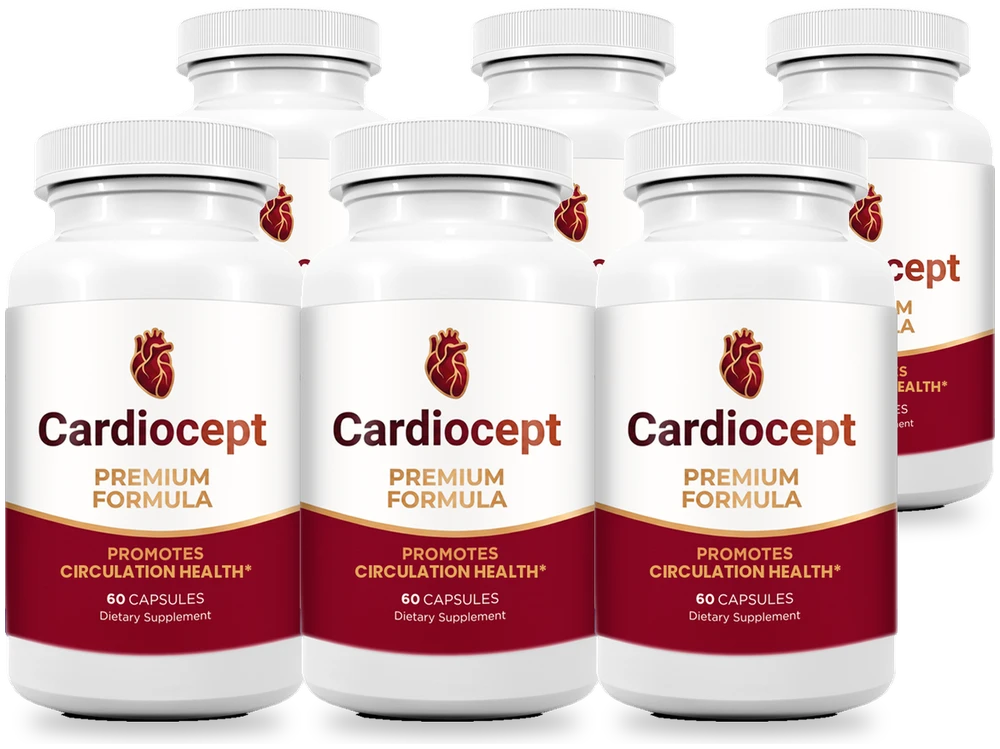
Capsule supplements that feature amino acids typically list each one by its full compound name on the Supplement Facts panel. Cardiocept follows that familiar approach. Its formula features exactly three named ingredients: L-citrulline DL-malate, L-arginine alpha-ketoglutarate and L-arginine HCL, all of which are amino acid compounds. Seeing the names printed plainly is a good sign that a brand is comfortable letting you read the formula for yourself.
When you scan any label, a few quick habits help:
- Read the ingredient names in full rather than skimming for a brand slogan.
- Look at the serving size and how many capsules the bottle contains.
- Confirm the directions, such as how often and with how much water.
- Check where and how the product was made.
For a deeper walk-through of each panel section, see understanding supplement labels.
Food first, with a daily routine around it
Amino acids are one small piece of a much larger picture. The foundation of everyday wellness is still the basics: balanced meals, regular movement, steady hydration and a consistent sleep routine. Those habits are what make any supplement feel like a natural part of your day rather than a separate project.
If you want a trustworthy general reference on protein and nutrients, the National Institutes of Health maintains a library of plain-language dietary supplement fact sheets that is worth bookmarking.
Turning knowledge into a simple routine
The best use of this knowledge is practical. Add one protein-rich food to each meal, read your labels with confidence, and keep your daily routine easy enough to repeat. Many readers like to anchor a morning capsule to something they already do, such as pouring a glass of water at breakfast. Cardiocept is designed for that kind of rhythm: one capsule daily with a glass of water, ideally in the morning, as directed on the bottle label, for adults 18 and over.
A single 60-capsule bottle is a 30-day supply, and a one-time purchase means no subscription to manage. Everything is backed by a 60-day money-back guarantee and made in the USA in an FDA-registered, GMP-certified facility, so you can focus on building the habit. When you are ready to put your new label-reading skills to work, you can visit the official Cardiocept order page and choose the bottle count that suits your routine.
Curious about the formula itself? The ingredients page lists each name in full, and understanding amino acids is the first step to appreciating what is on the label.