Balanced Plate and Everyday Meals: A Practical Weekly Plan
A balanced plate does not need a spreadsheet. Use a few easy ratios and flexible templates to make everyday meals colorful, satisfying and simple.
Think in plate sections, not calorie counts, and let variety do the work.
The plate method in one minute
The plate method is a visual shortcut that replaces counting with looking. Picture your dinner plate divided into sections. About half is filled with colorful vegetables and fruit. About a quarter holds a protein food. The last quarter is a whole-grain or starchy side. Add a small portion of healthy fats, such as olive oil, avocado or nuts, and a glass of water, and you have a meal that covers a lot of nutritional ground without any effort.
The beauty of this approach is that it works anywhere: at home, in a restaurant, from a lunchbox or at a family gathering.
Half the plate: vegetables and fruit
Color is the easiest guide. Aim for a few different shades across the day: leafy greens, orange carrots or sweet potatoes, red tomatoes or peppers, purple cabbage or berries. Frozen vegetables count too, and they are a lifesaver on busy weeknights because they are washed, chopped and ready.
If vegetables feel boring, change the method. Roast them with a little olive oil until their edges caramelize, toss them into a hot pan with garlic, or blend them into a soup. A simple switch in cooking style can transform a side dish into the star of the plate.
A quarter plate: protein variety
Protein foods supply the amino acids we explore in our amino acids guide. Rotating your choices keeps meals interesting. Try eggs one morning, lentil soup the next day, grilled fish at dinner, and Greek yogurt as a snack. A rotation of animal and plant proteins across the week is a friendly way to keep things varied.
- Quick options: canned beans, rotisserie chicken, hard-boiled eggs, tofu cubes.
- Weekend options: slow-cooked stews, sheet-pan salmon, homemade chili.
- Grab-and-go options: nuts, cheese sticks, hummus with vegetable sticks.
A quarter plate: whole grains and starches
Whole-grain foods add fiber and staying power. Brown rice, quinoa, oats, farro, whole-wheat pasta and corn tortillas are all easy to batch-cook on a Sunday and reheat all week. Potatoes and sweet potatoes belong here as well. If you cook a big pot of grains once, you have the base for several meals ready in minutes.
Three template meals to repeat
Templates are the secret to everyday eating. Keep a few in your pocket and swap ingredients as the season changes:
- The bowl: a grain base, roasted vegetables, a protein, and a spoonful of sauce such as tahini or salsa.
- The sheet pan: chopped vegetables and a protein roasted together with olive oil and herbs, served with a quick grain.
- The big salad: mixed greens, beans or grilled chicken, seeds, a handful of fruit and a simple vinaigrette.
Breakfast works with the same logic. Oatmeal with berries and nuts, or eggs with sautéed greens and whole-grain toast, covers all the sections before your day has really started.
A sample day on the plate method
Seeing the sections in action helps. For breakfast, scramble two eggs with spinach and serve them with a slice of whole-grain toast and a bowl of berries. At lunch, build a bowl of quinoa, chickpeas, shredded carrots, cucumber and a spoonful of yogurt-herb sauce. For an afternoon snack, pair an apple with a small handful of almonds. At dinner, roast salmon and broccoli on one sheet pan and serve with brown rice. Each meal touches every plate section, and none requires more than thirty minutes.
On rushed days, lean on shortcuts: pre-washed greens, canned beans rinsed in a colander, microwavable grain pouches and frozen vegetable blends. A shortcut that gets a balanced plate on the table is always better than an ambitious recipe that never gets cooked.
Making the week flow
Choose one day to prepare ingredients rather than whole meals. Wash greens, cook a grain, roast a tray of vegetables, and portion some protein. Then mix and match each evening. This approach saves time and makes decisions easier, which is often the real obstacle to consistent eating. Our guide to mindful eating habits pairs nicely with this, helping you slow down and enjoy what you have prepared.
Do not forget your glass of water at each meal. Our hydration guide has easy ideas to keep that going.
Where a daily capsule fits
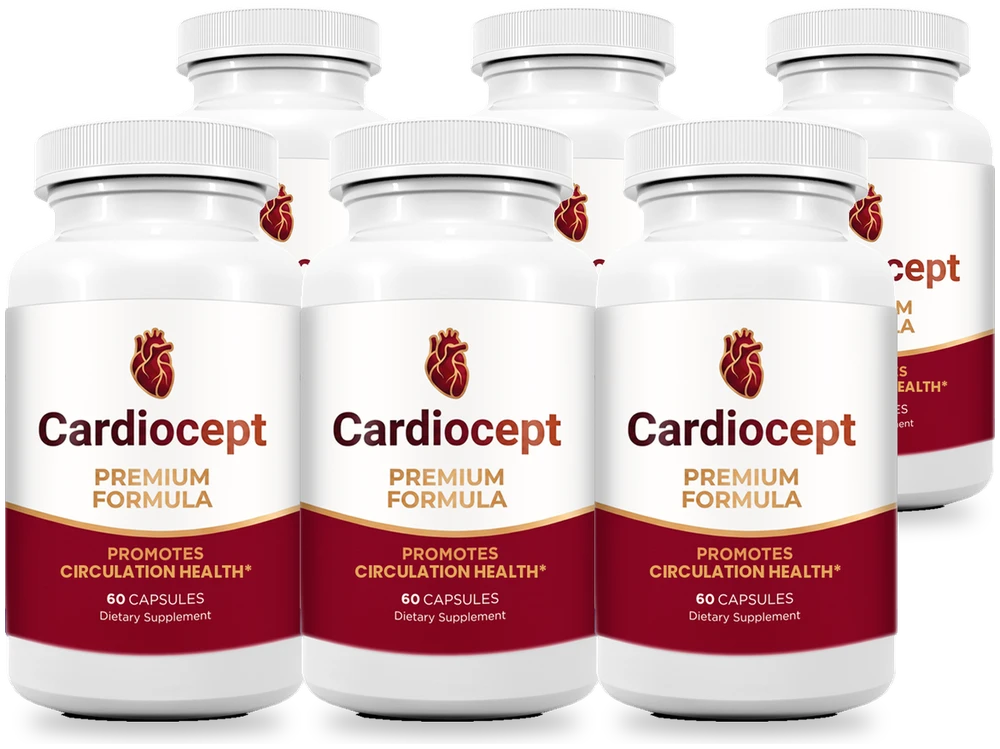
A balanced plate is the foundation, and a supplement is a small extra layer that sits on top of it. Cardiocept, for example, is a daily capsule that supports healthy circulation and cardiovascular wellness for adults, intended to sit alongside balanced meals, regular movement, hydration and quality sleep. Many people attach it to breakfast: one capsule with a glass of water, ideally in the morning, as directed on the label. The formula features three amino acid compounds, which you can read about on the ingredients page.
For general nutrition reading, the National Institutes of Health provides helpful nutrient fact sheets. Each Cardiocept bottle holds 60 capsules for a 30-day supply, and a 60-day money-back guarantee backs every one-time purchase. When you want to add it to your morning plate, visit the Cardiocept order page and choose your bottle count.