L-Citrulline and L-Arginine Explained: Reading the Label
Names like L-citrulline DL-malate can look intimidating, but each one is just a pattern. This explainer shows you how to read them piece by piece.
Once you know the prefixes and suffixes, any amino acid label becomes clear.
Two amino acids, two familiar names
Citrulline and arginine are both amino acids, the small compounds that link together to build proteins. Arginine is found in many protein foods, including poultry, dairy, nuts and seeds. Citrulline is named after the Latin word for watermelon, citrullus, because it was first isolated from that fruit. These are the two amino acid names you will see most often on the Cardiocept label, so understanding them is a good starting point.
If you are new to the topic, our general guide to amino acids in everyday wellness covers the basics of what amino acids are and where they appear in food.
What the letter L means
Many amino acid molecules can exist in two mirror-image shapes, a bit like your left and right hands. Chemists label them L (from the Latin for left) and D (from the Latin for right). The L form is the one that makes up the proteins in food, so when you see an L at the start of a name, it identifies that familiar natural form. A name like L-arginine simply says: this is arginine, in its natural shape.
You may also spot DL in a name. That means the compound includes a mixture of both mirror-image shapes. On a label, it is just a descriptive tag that tells you which form is in the ingredient.
Why there is a second word: the partner compound
Pure amino acids in loose form can be difficult to handle in manufacturing. To make them easier to work with, they are often paired with a partner compound to form what is called a salt or a combined form. The partner is named after the amino acid. Here is how the three Cardiocept ingredient names break down:
- L-citrulline DL-malate: the amino acid L-citrulline, paired with malate, a compound named after malic acid, which is also found in apples.
- L-arginine alpha-ketoglutarate: the amino acid L-arginine, paired with alpha-ketoglutarate, a compound with a long name but a simple job on the label: naming the partner.
- L-arginine HCL: the amino acid L-arginine, paired with hydrochloride, which is what HCL stands for.
Read that way, each name has just two parts: the amino acid first, the partner second. That is the whole trick. You can see all three listed on the Cardiocept ingredients page.
Why a formula might list more than one form
You may wonder why arginine appears twice on the same label, paired with two different partners. Supplement makers choose specific forms for many reasons, including how a compound handles in a capsule and how it is described in the ingredient listing. For you as a reader, the useful lesson is that the label is being precise. Every form is named in full, rather than hidden behind a vague catch-all term.
That precision is worth looking for on any product. Our walk-through of understanding supplement labels explains what else to look for on the panel, from serving size to the full ingredient list.
A worked example, step by step
Try reading a name aloud with the pattern in mind. Take L-arginine HCL. Start at the left: the L tells you the natural shape. Next comes arginine, the amino acid itself. Finally HCL tells you the partner, hydrochloride. Three tokens, three jobs, and you are done.
Now try L-citrulline DL-malate. L is the natural shape, citrulline is the amino acid, DL describes the form of the partner, and malate names the partner compound. Once you have done it twice, the third name, L-arginine alpha-ketoglutarate, reads itself: shape, amino acid, partner. Repeat that exercise with any ingredient list and long chemical names stop being a barrier.
A quick glossary you can keep
- Amino acid: a building unit of proteins.
- L-form: the natural shape found in proteins.
- DL: a mix of both mirror-image shapes.
- Malate: a partner compound related to malic acid.
- Alpha-ketoglutarate: another partner compound used in naming.
- HCL: shorthand for hydrochloride, a partner compound.
For a broader reference on nutrients and supplement ingredients, the National Institutes of Health hosts a library of dietary supplement fact sheets, which is a handy place to continue your reading.
From vocabulary to a confident routine
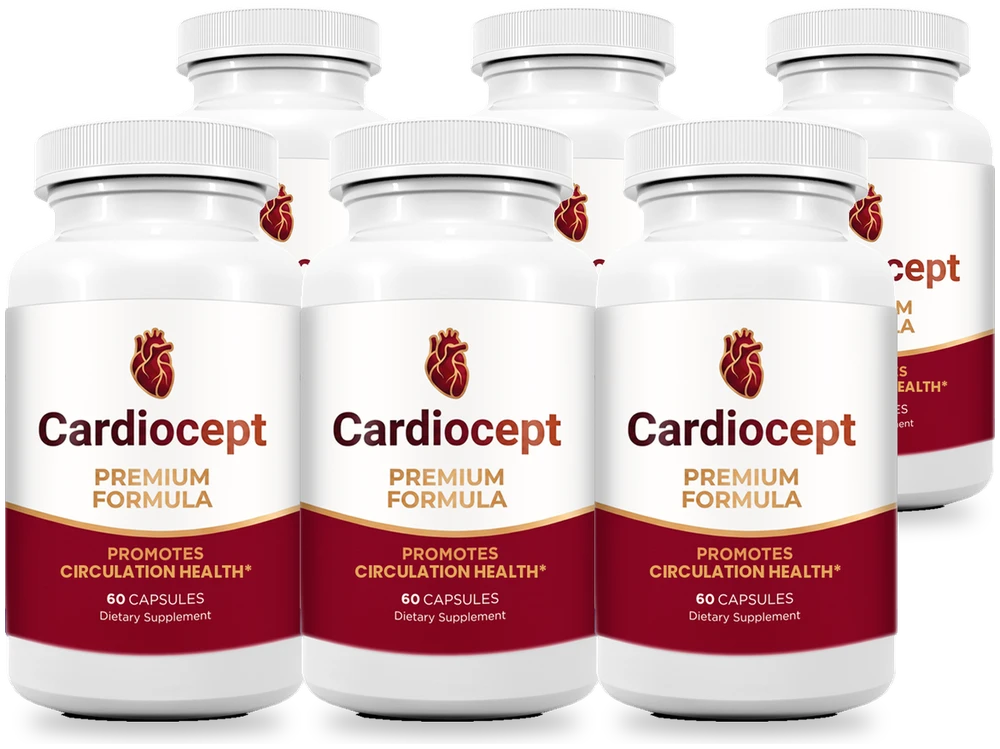
Learning the language of labels does more than satisfy curiosity. It lets you compare products with confidence and know exactly what you are choosing. Cardiocept is a dietary supplement capsule for adults that supports healthy circulation and vascular wellness as part of a daily routine with balanced meals, regular movement, hydration and quality sleep. Its formula features the three named ingredients above and nothing else on the ingredient list for you to decode.
Each white bottle holds 60 capsules, one capsule daily with a glass of water, ideally in the morning, as directed on the label, for a 30-day supply. It is a one-time purchase with no subscription, made in the USA in an FDA-registered, GMP-certified facility, and covered by a 60-day money-back guarantee. Now that you can read the label like a pro, you can go to the Cardiocept order page and select your bottle count.